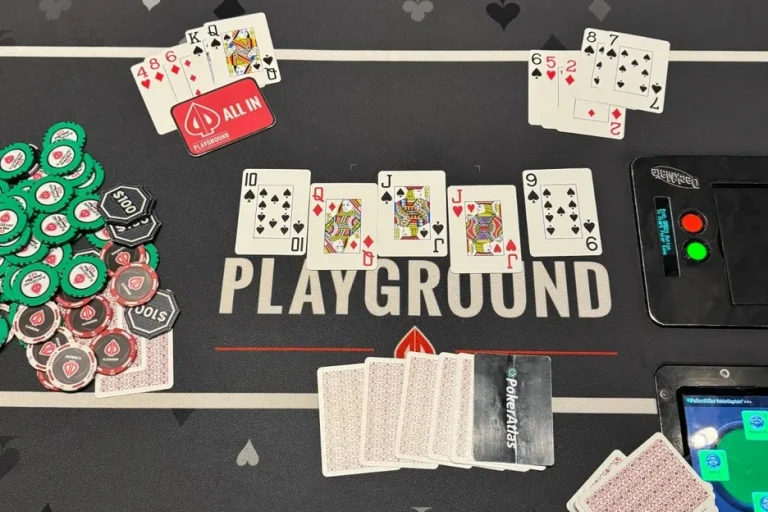
With major events like SCOOP in March and the WSOP this summer already on the calendar, most players focus on technical preparation—reviewing ranges, studying solver spots, and aiming to improve their game. But as a high-performance psychologist, I see a critical blind spot: mental and structural preparation. In every other elite sport, the weeks before a championship are treated as pre-season—a time to build physical and mental foundations. In poker, we skip this step, often treating the grind as an endless loop of playing and studying, which creates the biggest risk to your ROI in long series: burnout.
Understanding True Burnout
Players often call themselves “burnt out” after a rough week or a run of bad luck. Real burnout is deeper—it’s structural, not just fatigue. Three signs indicate you may be at risk:
- Exhaustion – Not just sleepiness, but feeling physically empty, as if your internal battery cannot recharge.
- Cynicism / Mental distance – Feeling numb to the game or thinking “it’s all rigged,” a protective mechanism from stress, not logic.
- Inefficacy – Losing belief that your effort will yield results. You may know the theory, charts, and GTO lines, but feel like a passenger in your own session.
“You can start to feel like a passenger in your own session.”
Burnout attacks self-efficacy—the belief that your actions lead to results. Once this link breaks, studying feels pointless, and grinding loses all motivation.
Structural Solutions Over Willpower
The gravest mistake is relying on willpower to fight burnout. Like a Formula 1 car with a blown engine, you don’t drive harder; you rebuild the system. With SCOOP just six weeks away, now is the time to develop a sustainable lifestyle structure before the grind intensifies. Burnout is rarely caused by one bad session—it’s the cumulative mismatch between the game’s demands and your available resources.
The Hidden Costs of the Grind
Several subtle factors accelerate burnout if left unchecked:
- Isolation – In online poker, nobody notices your good decisions, amplifying emotional weight.
- Variance – Losing despite correct decisions creates emotional strain and learned helplessness.
- Circadian disruption – Late nights and irregular sleep prevent recovery.
- Cognitive load – Multitabling and constant decision-making tax your brain.
Ignoring these variables has measurable impacts on performance:
- Attentional leaks – You play on autopilot and miss crucial marginal spots.
- Executive failure – Fatigue erodes patience and inhibitory control.
- Emotional dysregulation – Bad beats trigger prolonged tilt.
Audit Your Pre-Season
Use these weeks as a professional pre-season. Ask yourself: is your sleep environment optimized for late finishes? Do you have hobbies that allow you to detach from poker completely? Recognize that you operate without the support systems of traditional sports.
“Being a ‘pro’ implies recognizing that you cannot handle every burden alone.”
Elite athletes rely on coaches, managers, and psychologists to manage workload and prevent breakdowns. Modern poker players must emulate this: build a support structure with coaches, study groups, mental trainers, or fitness experts. By doing so, you ensure that when the big moments arrive, you are physically, mentally, and emotionally prepared to perform at your best.
Conclusion
Preventing burnout is about more than skill—it’s about building resilience and structure before the grind begins. Treat the pre-season seriously, audit your system, and assemble the right team. Your future self—focused, alert, and capable of peak performance at the highest stakes—will thank you.