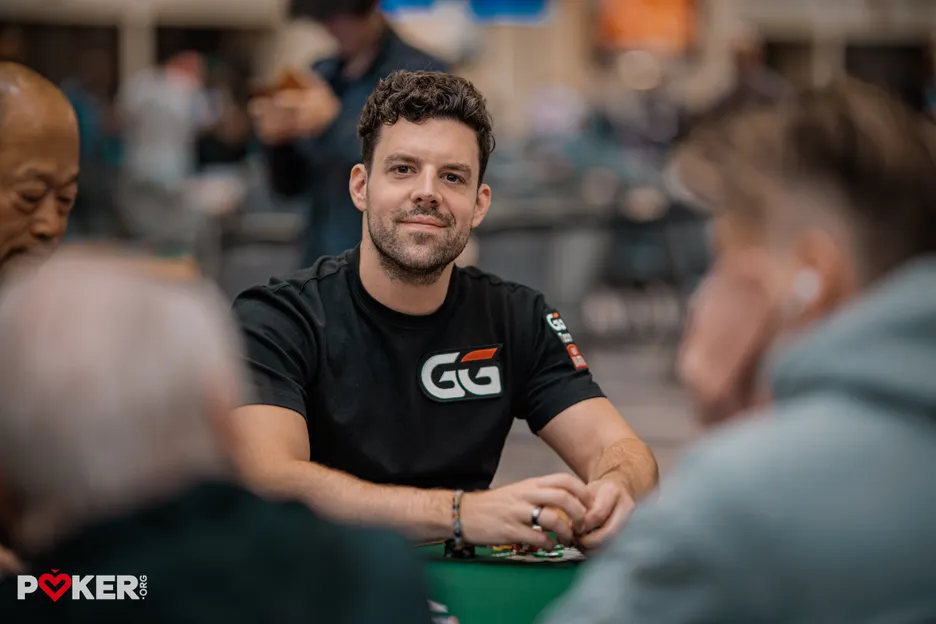
While many enjoyed a holiday weekend, GGPoker Ambassador Kevin Martin was deep in grind mode for a marathon poker streaming challenge. Dubbed the War Room Challenge, Martin pledged to shave his head if he finished the 60-hour session at a loss.
Over the course of the weekend, Martin played nearly $30,000 in buy-ins, all captured on stream—including the hours he spent catching some sleep between sessions.
Rakeback Saves the Day
Though it might sound straightforward, Martin deliberately faced tough fields and high-stakes tournaments instead of opting for easier, low-buy-in games. With the fate of his hair on the line, the pressure extended beyond money—testing both his skill and endurance.
By the first 11 hours, Martin was down roughly $5,000, but he steadily clawed his way back. A third-place finish for $9,949 in the $1,050 High Rollers Sunday Closer on Sunday proved pivotal, putting him back on track to keep his hair. With just four hours remaining, Martin’s buy-ins totaled $29,171, while his cashes stood at $26,211, leaving the outcome hanging by a thread.
Enter the wildcard: rakeback. Throughout the challenge, Martin and his stream team meticulously tracked the rakeback earned, totaling $3,065. Adding this to his cashes nudged him into the green by $11, effectively saving his hair. Martin then closed out the weekend with a $613 first-place finish in a $54 Bounty Hunters event. Without the rakeback, however, he almost certainly would have faced the clippers.
Rakeback Debate
The question remains: should rakeback count toward a challenge like this? While Martin’s challenge had no formal rulebook, most content creators and end-of-year results separate rakeback from direct winnings, treating it as its own category. Including it in profit calculations for self-imposed challenges is unusual but technically defensible.
So, was Martin justified in keeping his locks, or did he dodge a haircut by leaning on rakeback? The debate is now part of poker streaming lore.